Dive Brief:
- The Financial Accounting Standards Board announced Monday that its Chair Rich Jones added a new research project to its agenda to monitor current accounting trends related to data infrastructure investments and non-traditional lending, including private credit.
- As part of the project, the U.S. accounting standards setter may identify potential improvements to standards that underpin generally accepted accounting principles.
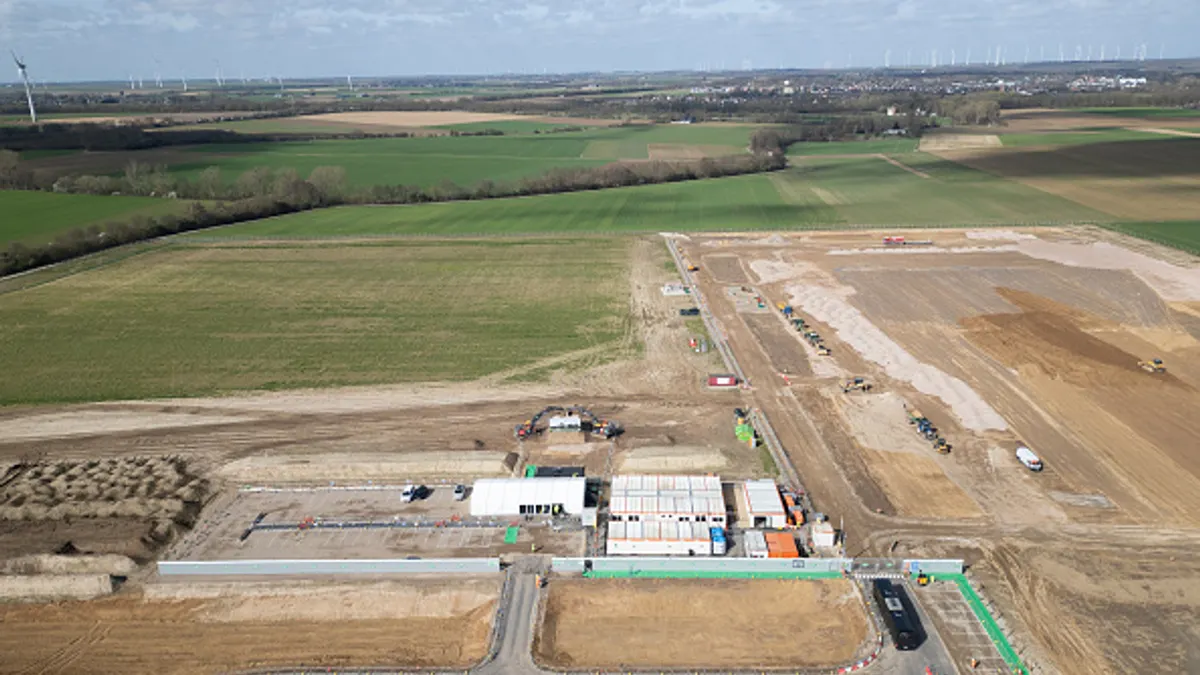
- The board defines data infrastructure investments as data centers, the financing behind them and their use in a company or entity’s business and related contractual arrangements, according to a FASB spokesperson.
Dive Insight:
The new research project comes as accounting treatment related to the way big tech firms are financing data center projects is drawing scrutiny.
While companies are generally required to describe major risks to their business, no specific disclosure requirement applies to power-purchase agreements that tech firms are initiating to achieve their artificial intelligence goals, The Wall Street Journal reported last month.
For example, Meta secured billions in financing to build a big data center in Louisiana without taking on the debt itself, with such deals generally allowing companies to push the risks associated with the AI boom onto lesser known companies. This could potentially lead to a future where the smaller firms or special purpose vehicles could be on the hook if the giants end up not needing all the computing demand, The New York Times reported.
Big Four firm KPMG also weighed in on the issue last year, noting that data center companies “operate in a dynamic and complex environment that has implications for financial reporting, compliance and operational efficiency,” the report states.
Accounting treatment for data centers is a process that requires owners to make key and sometimes subjective decisions, according to the KPMG report. For example, choosing whether to classify them as property, plant and equipment or instead as an investment property “can have a huge impact!” the report states.
A FASB spokesperson did not immediately respond to questions about what sparked the data infrastructure research project.