Cross-border business payment provider Sokin sees a “really big opportunity” in North America as it sets the stage for ambitious future growth, CFO Tom Steer told CFO Dive.
The London-based company, which offers software to support treasury as well as cross-border accounts payable and receivable services, is moving forward with expansion plans to new markets, supported by funding including a Series B round it closed in December — which valued the fintech at $300 million — and the securing of a $100 million debt facility in January, according to company press releases.
The business has seen “really strong traction” in the North American market, Steer, who has served as Sokin’s finance chief since October, said in an interview. “Previously, we’ve had a pretty light footprint there and so now we're really looking to double down on that market.”
Enabling growth ambition
Steer’s hiring occurred during a “heightened period of capital activity,” according to a March 5 Sokin press release announcing the appointment. The cross-border payment provider is looking to lean on the new finance chief’s expertise driving growth and in the merger and acquisitions space, outlining the continued development of the company’s capital strategy and taking responsibility for future acquisitions as two of his remits, according to the release.
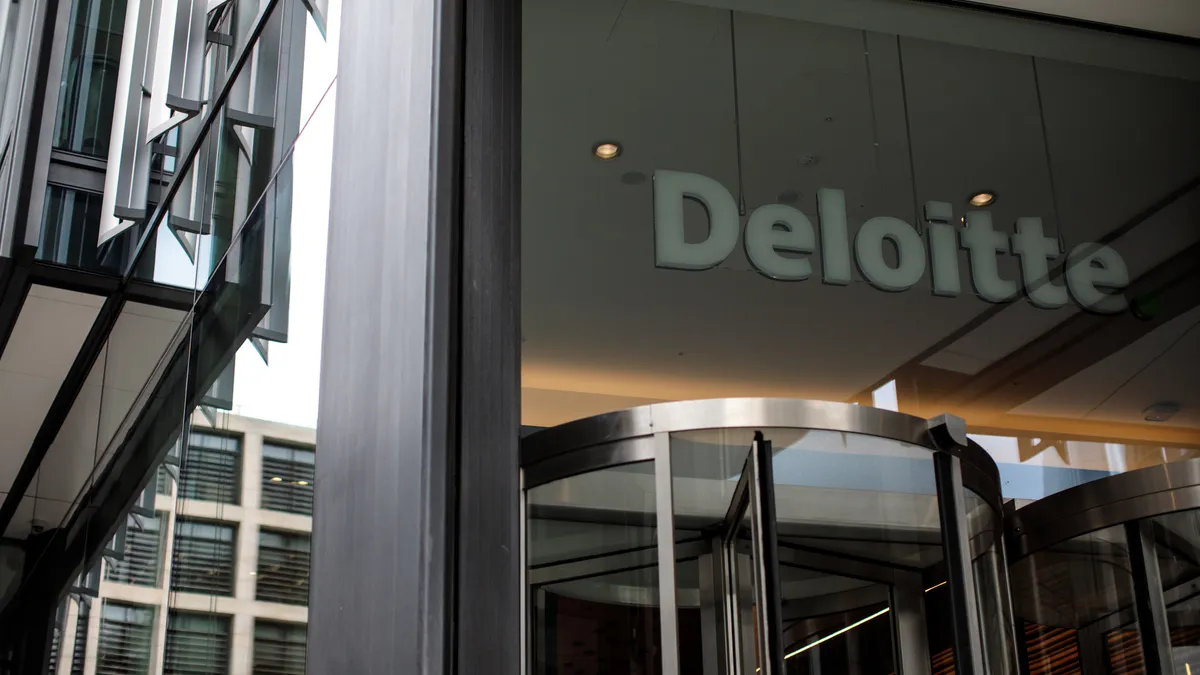
Steer joined Sokin from a vice president seat at fintech-focused investment bank firm Financial Technology Partners where he helped to advise on capital raises and M&A. His previous experience also includes serving in a corporate development, strategy and finance role for WorldRemit. He began his career at Big Four firm Deloitte in corporate finance, M&A advisory and audit, according to his LinkedIn profile.
Steer sees the cross-border payment provider’s capital position as strong. Its December $50 million Series B funding round was led Prism Capital, with participation from former PayPal executives including former Chief Commercial Officer Gary Marino and ex-Chief Product Officer Mark Britto, Industry Dive sister publication Payments Dive reported at the time.
Combined with the $100 million debt facility from Oxford Finance it closed in January, Sokin is positioned to continue to be optimistic and to be a “bit more ambitious as well,” Steer said.
Creating new opportunities
The company is making use of that funding to continue on a rapid growth streak, having seen its revenue grow by approximately 81% to reach $22.5 million for its full-year 2024, according to a Jan. 22 company release.
The business is constantly looking at the North American market to see if there are opportunities where the business can push further or be more aggressive, he said.
However, Sokin has also taken steps to grow its embedded payment solutions and to offer new and emerging payment rails, such as stablecoins. On March 17, it announced the first part of a phased rollout enabling certain clients to utilize those digital assets — which have their value pegged to another asset, typically a fiat currency — on a hybrid finance platform enabling global transactions with both stablecoin and fiat currencies.
The company is “not going to force our customers to be using stablecoin,” Steer said, acknowledging that certain clients or finance clients may not be ready or open to experiment with the technology. “That's not what this is about. It's providing an alternative rail for them.”
The stablecoin rollout also highlights how Sokin has traditionally approached M&A opportunities, where it has been “pretty opportunistic” in the past, Steer said. Its acquisition of Genpaid, a crypto and stablecoin payments platform which was also announced March 17, helped to provide quicker access to the stablecoin space — access which would have taken Sokin months or potentially years to build, he said.
While Steer is keeping his eye focused on driving these and other growth projects as Sokin’s finance chief, ensuring the company doesn’t do too much, too quickly is also top of mind, he said.
“We're very conscious of that, and we want to do things in in a way that will not inhibit the underlying business,” he said.