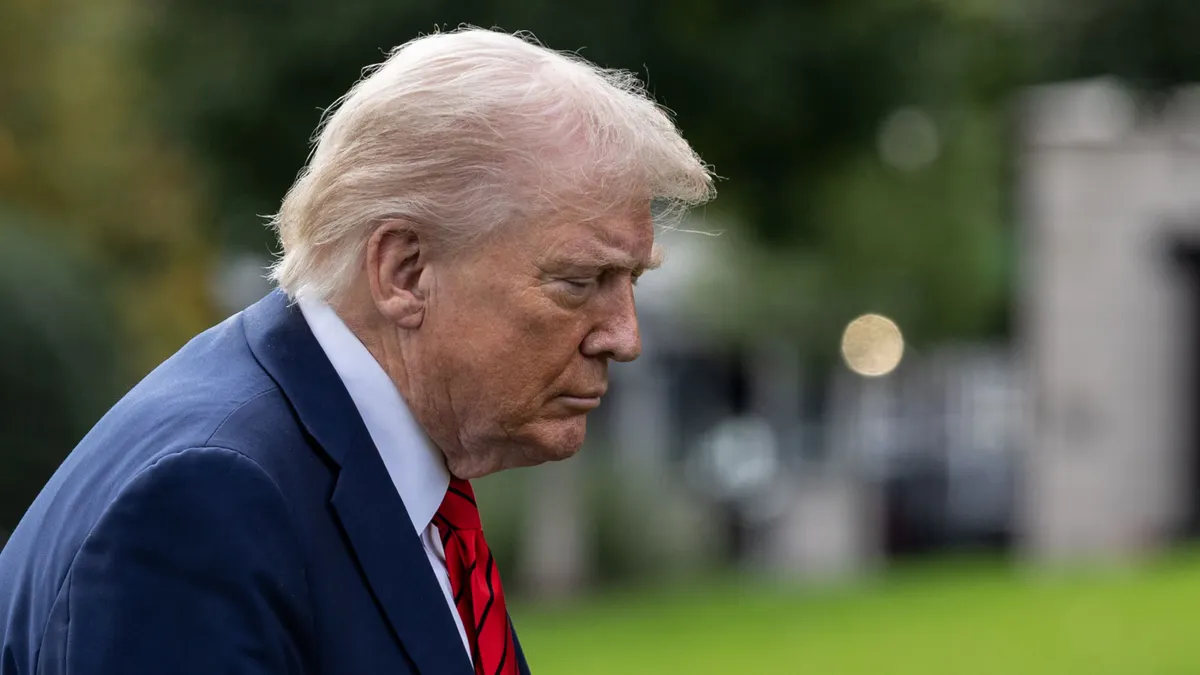
Following the turbulence last year in finance, politics and international relations, CFOs in 2026 could be forgiven for pursuing a single goal for their companies — keep an even keel.
The gusts from federal policy changes will probably persist.
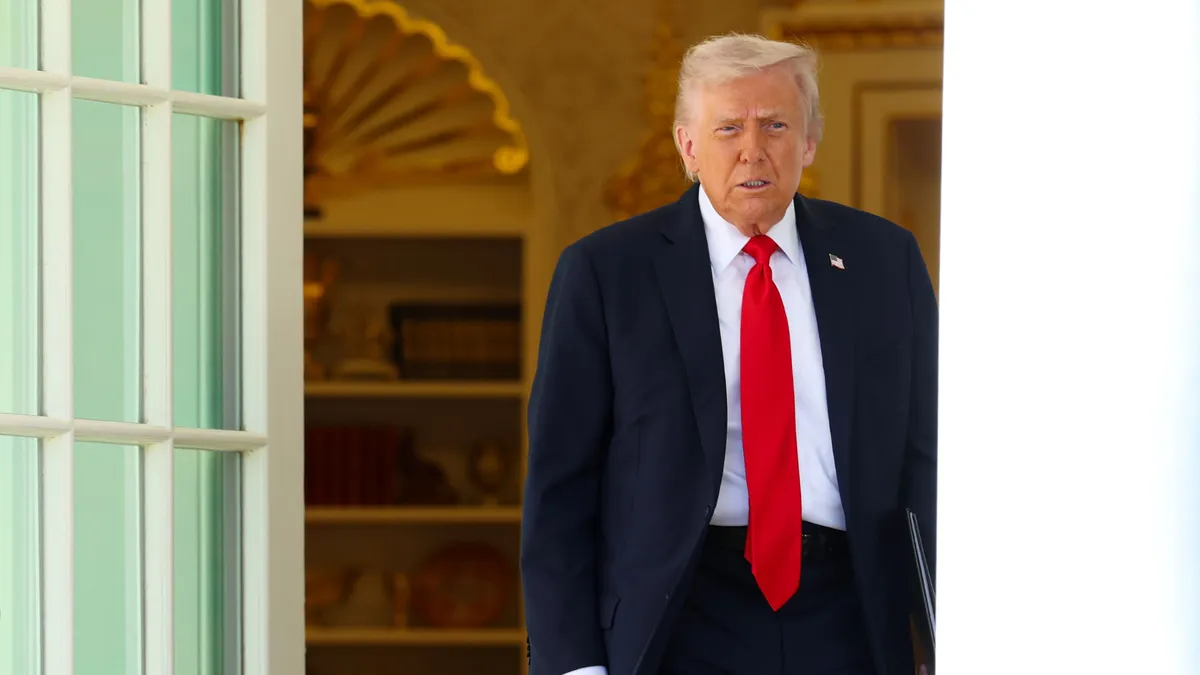
Despite the risk of higher prices, President Donald Trump shows no signs of softening a year-long effort to pressure the Federal Reserve to cut borrowing costs, prompting concerns about central bank independence.
U.S. tariffs — the highest since the 1930s — will likely nudge up prices until at least June, assuming Trump imposes no new import taxes.
Meanwhile, Trump’s territorial ambitions, focused most recently on Greenland but encompassing Panama and Canada as well, threaten to weaken U.S. ties with its closest allies and erode the dominance of the dollar as a reserve currency.
Trump has made good on his campaign pledge to reduce the size of the government and trim regulation. But widespread layoffs, sweeping rule changes or budget cuts at the IRS, Securities and Exchange Commission, Public Company Accounting Oversight Board and other agencies pose operational challenges for bureaucrats and muddle CFO efforts at compliance.
Closer to home, CFOs this year will need to show both their C-suite colleagues and investors that investment last year in artificial intelligence yields a competitive advantage rather than a lesson in the risk of seizing on a shiny new technology.
Also, with automation reshaping workplaces, CFOs concerned about building and retaining strong teams will need to keep a sharp eye on labor trends and CPA licensure changes.
Below are three outlook articles describing the above trends and others that we will follow in 2026.