Drew Travis — the newly minted CFO of the Chicken Salad Chick restaurant chain — was hooked early by his love of restaurants and never really looked back.
In high school Travis took a job at McDonald’s, which entailed everything from cooking burgers to manning the drive-thru and taking customer orders at the service counter.
He went on to work at Famous Dave’s Bar-B-Que and later, while a student at Michigan State University, he worked at his uncle’s restaurants as a server, bartender and assistant manager.
“I always had a passion for restaurants and loved the idea of making people’s days better,” Travis told CFO Dive recently. “If someone is having a bad day you can make it a good day, and if they’re having a great day you can make it better.”
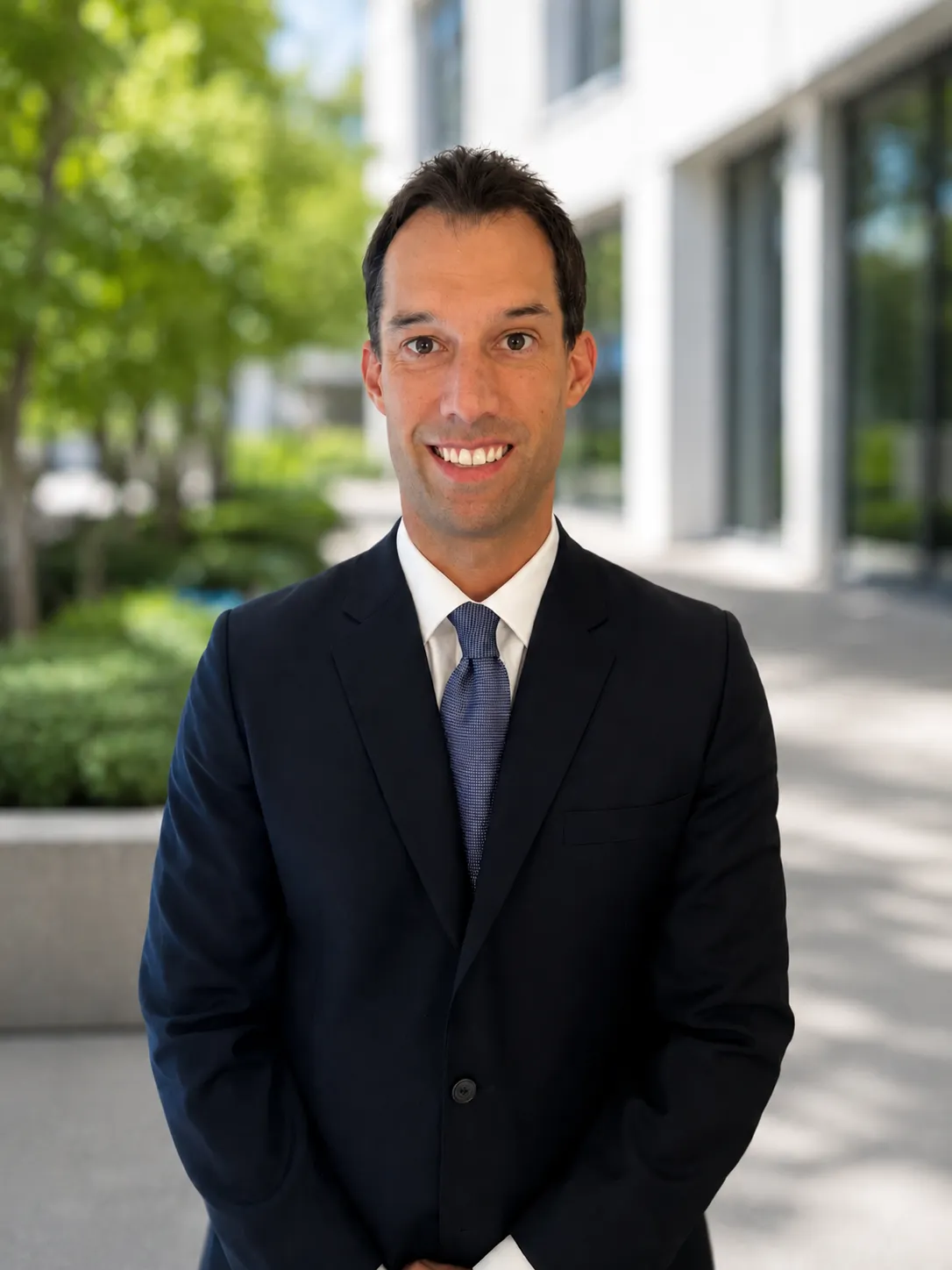
Early in his career after college, Travis pivoted for a time to work as a financial analyst and later in a senior role in FP&A at Discover Financial Services, according to his LinkedIn profile.
But over the past decade or so, after earning an MBA from Northwestern University, he’s effectively returned to his roots working for major players in the food and restaurant industry.
Inflection point
Travis has held senior finance roles at the food delivery service Grubhub, worked as a director of finance and FP&A at Outback Steakhouse owner Bloomin Brands, and most recently served about five years in senior finance roles at GoTo Foods, which operates such brands as Auntie Anne’s pretzels and Carvel ice cream.
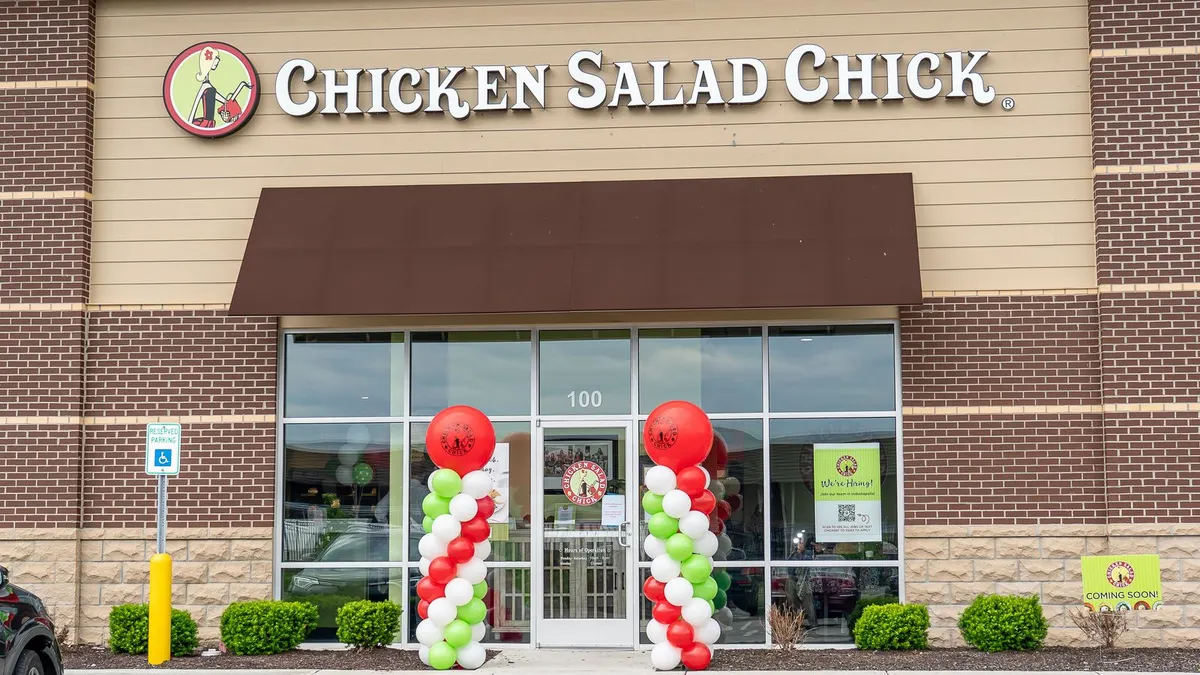
Now, as finance chief of the fast-growing Chicken Salad Chick, he has joined a company that he sees to be at an “inflection point” in terms of its growth. The Atlanta-based company, which serves a wide range of types of Southern-style chicken salad, now has more than 340 restaurants in 25 states and is this year expanding into West Virginia, New York and Michigan.
In addition to its growth, the company’s ownership structure has changed since its 2008 founding by Stacy Brown and her husband Kevin Brown in Auburn, Alabama. In 2019, the consumer-focused private equity firm Brentwood Associates acquired a majority interest in SSRG Holdings, the restaurant chain’s parent company.
The shift from supporting multiple brands at his previous employer to joining a company with a single restaurant offering has been refreshing, Travis said. He’s also been struck by the hospitality-oriented culture, which is supported by the number of people who have been with the company since it was much smaller.
“I’m blown away by the culture and people here,” he said, speaking by phone from West Virginia, where he was traveling to attend a new restaurant’s grand opening — which corporate leaders, including the CEO, routinely attend. “In past lives of mine was probably not part of my remit but at this brand it certainly is,” he said of his attendance at the store opening. But he said it’s important to make time for such events to show support for franchisees.
The growth strategy
Franchisees are a key piece of the company’s plan to expand its footprint north of 500 stores in the next few years, Travis said. It’s a capital intensive growth: He said the average restaurant is between 2,500 and 3,500 square feet, with the construction, furniture, equipment, technology and signage translating into a roughly $700,000 buildout cost.
But he said much of the company’s growth will come from its franchise business, which absorbs some of the cost.
“The franchise owners will invest their own capital to build out and open each location, and we will support them with training support, marketing support and operational support throughout their journey as a franchise owner,” he said. The company’s own investments will be in the form of people, processes and technology to enable franchise owners to grow, he said.
One of the challenges he sees is making sure the company maintains its culture while scaling the processes that need to be adjusted to fit a larger organization. “You have to evolve your thinking,” he said.
Food inflation is another area Travis is watching. He said the company has been reluctant to raise its prices because it prefers to focus on providing value through offering hospitality in a unique space that’s differentiated for customers. Pricing is a slippery slope in the restaurant industry, he said, because higher prices could mean fewer people will come in the door, so a greater share of the fixed costs are borne by the restaurants.
Despite the restaurant industry’s challenges, Travis said he’s likely in it to stay. “Every single day you’re cooking food and cleaning and there's always going to be curve balls, but if you can be successful in it, it’s a really fun industry,” he said. “It pulls you in.”