Dive Brief:
- Conagra Brands CFO David Marberger told analysts Wednesday that the company saw an “acceleration in inflation around logistics, or transportation costs, really driven by the driver shortage and oil prices as well” as it went through its fiscal first quarter ended Aug. 30.
- While the Chicago-based company has seen some “relief” on protein or meat prices, Marberger said on an earnings call that he also expects Conagra’s inflation rate to rise in its fiscal Q2 and Q3 and then ease at the end of its fiscal year in May. Over the year he expects inflation to trend toward the higher end of the 5% to 6% inflation range Conagra has forecasted.
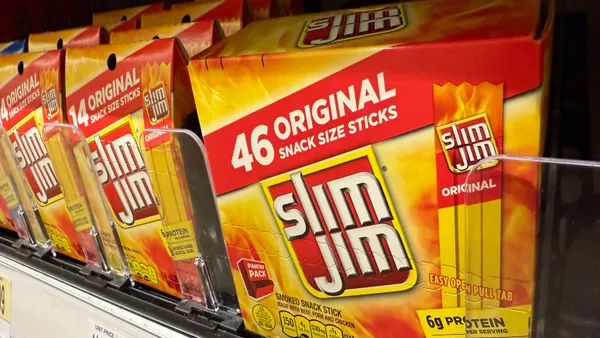
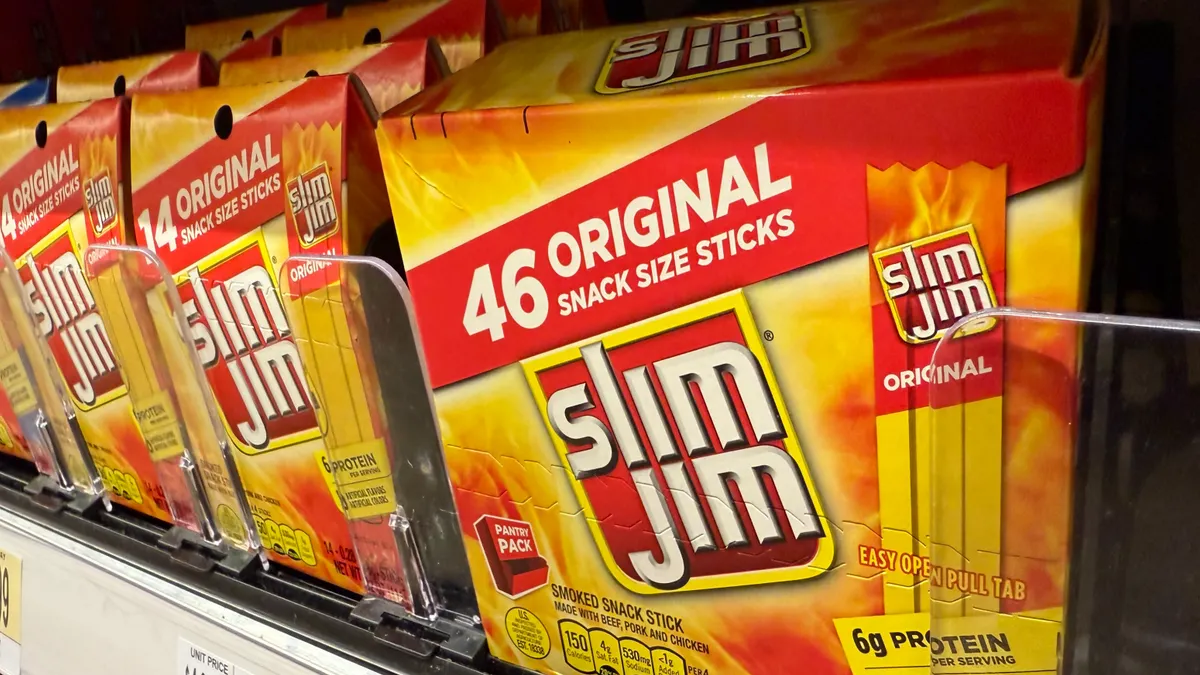
- The Slim Jim snack and Bird’s Eye frozen vegetable maker also reaffirmed its guidance for fiscal 2027, forecasting a year-over-year decline in organic net sales between 3% and 1% compared to fiscal 2026, according to a Wednesday release.
Dive Insight:
The inflation pressures are persisting as the food giant’s new CEO John Brase seeks to turn around the company, which he’s said has been slowed by complex offerings and a failure to invest enough on its more popular snack and frozen food products, CFO Dive’s sister publication Food Dive reported.
Inflation worries and concerns about high fuel prices and jobs have slammed consumer confidence, with the Conference Board reporting it fell this month to a 12-year low on Tuesday. During Wednesday’s call with analysts, Brase said he hadn’t seen any “material step change” in how consumers are behaving.
“I would tend to say the word that I would use is muted and it continues to be kind of bifurcated by income, no doubt about it,” Brase said.
He also emphasized that the company is continuing to remain focused on simplifying its operations in a number of ways, including reviewing the number of stock-keeping units or differentiated products it has.
“We've got over 400 single-serve meal SKUs, and I believe there's a future where we can have a much simpler, more productive assortment,” Blase said. “We just have to do a better job of eliminating non–value-added complexity that the consumer, quite frankly, isn't willing to pay for.”
Executives also discussed how the company is watching the impacts of some higher prices it initiated to offset inflation. “Obviously we have modeled the pricing and the elasticity impacts, and there's volume impacts where we have decreases in volume in our frozen business,” Marberger said.
During the quarter, Conagra said it received about $4 million in tariff refunds, but they were offset by factors including lower organic net sales and the cost of goods sold inflation, according to the earnings report. Last year, Conagra said it would seek to mitigate the impact of President Donald Trump’s higher steel and aluminum tariffs on its can costs.
For its fiscal Q1 ended Aug. 30, Conagra’s net income rose 6% from the year-earlier period to $174.3 million, as it cut its total debt to $7.76 billion from $8.27 billion from the prior year period.