Nearly four years after dropping a years-long project that would have changed goodwill accounting, the Financial Accounting Standards Board is revisiting the matter.
The challenges related to improving generally accepted accounting standards for the contentious topic of goodwill were raised again by stakeholders in discussions that grew out of the U.S. accounting standard setter’s 2025 formal outreach.
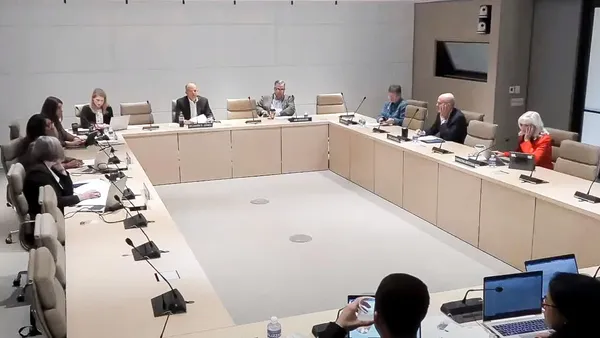
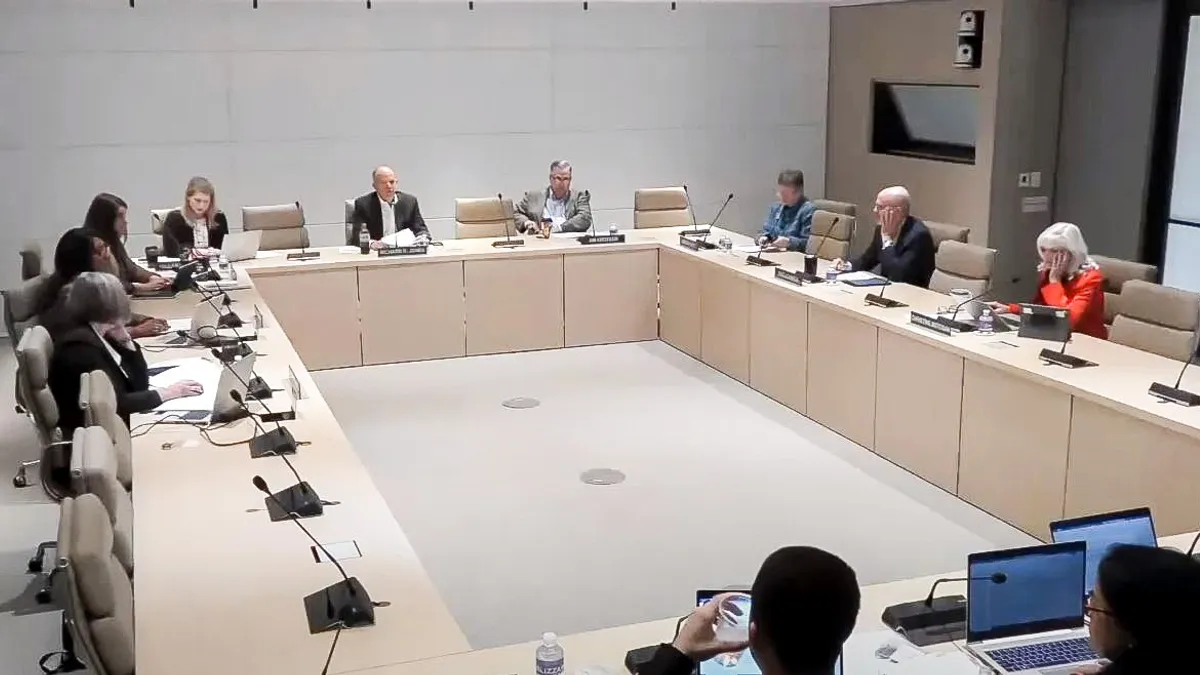
The board at its regular meeting Wednesday mulled adding goodwill to its technical agenda but ultimately kicked a decision down the line on whether to take up a new goodwill project.
“No vote was taken today,” FASB spokesperson Christine Klimek said in an email. “However, the majority of the Board supported having the staff perform additional research to bring back to the Board for an agenda decision at a future meeting.”
Goodwill arises when a company acquires another business for more than its book value. Under GAAP, companies must annually recalculate the value of goodwill assets to determine whether any impairment has occurred.
The COVID-19 pandemic led many CFOs in 2020 to reconsider how they approached impairment testing for goodwill as extreme market volatility complicated efforts to assess fair value and future cash flows, CFO Dive previously reported.
On Wednesday the staff said that changes were in order. “On the basis of [Invitation to Comment] feedback the staff believes there is a need to improve GAAP” on the subsequent accounting for goodwill, a staffer said during the meeting, noting that the issue met one of the criterion for being taken up in that it is a “pervasive” issue. “Consistent with feedback received in the past, stakeholders expressed a need to simplify the subsequent accounting guidance for goodwill to reduce the burden for performing goodwill impairment analysis.”
The staff in a meeting handout outlined five different solutions or paths for addressing goodwill challenges. They included requiring goodwill to be amortized after initial recognition, extending what the document called the PCC alternative to amortize goodwill to all entities, providing companies the option to write off goodwill after initial recognition, enhancing disclosures related to goodwill or providing “targeted improvements to simplify the current impairment model.”
During the meeting a number of board members expressed frustration regarding their past work on the project that went unrealized. FASB Chair Richard Jones noted that the current standards were something of a trade-off and expressed support for the amortization solution.
“While personally I do think amortization makes more sense from the accounting perspective, I’m skeptical as to whether the board could get that through,” Jones said. “I think actually the only thing we could get through is a variety of options and let the market decide on what’s the best accounting.”