Dive Brief:
- Annual inflation as measured by the Consumer Price Index surged last month at a three-year high of 3.8%, propelled by rocketing energy prices to a pace exceeding the gain in average hourly wages.
- The cost of energy jumped 17.9% during the past year, spurred by a 28.4% increase in the price of gasoline and 54.3% gain in the price of fuel oil, the Bureau of Labor Statistics said Tuesday. Food prices rose at a 3.2% annual rate. Core CPI, which excludes energy and food prices, gained 2.8%.
- “With gas taking another leg up in May so far, there might be another sizable pickup in headline inflation in the pipeline,” Bank of America Securities analysts said in a note, adding that the annual 3.3% gain in services inflation minus energy services “was uncomfortably elevated.”
Dive Insight:
The war-induced rise in price pressures since early March may prompt the Federal Reserve to forgo a reduction in borrowing costs this year and begin leaning toward increasing the main interest rate, economists said.
“Given that inflation is heading in the wrong direction and the labor market is holding up, it’s very unlikely that the Fed will be able to lower interest rates any time soon and it’s possible that we may start pricing in rate hikes for next year,” Chris Zaccarelli, chief investment officer at Northlight Asset Management, said in a note.
Traders in interest rate futures see just 2.8% odds that policymakers will trim the main interest rate this year compared with 22.9% odds a month ago, according to the CME Group’s FedWatch tool.
President Donald “Trump wants the new [Fed] chair to cut interest rates, but the rest of the Federal Open Market Committee is unlikely to comply,” National Federation of Independent Business Chief Economist Bill Dunkelberg said Tuesday.
“Indeed, some on the Fed board favor a rate increase to prevent the AI spending and higher energy prices from pushing inflation higher,” he said in a note, adding “this is a tough balancing act.”
The central bank seeks to hold inflation at 2% and has maintained the benchmark rate this year at a range between 3.5% and 3.75%.
“We've been above 2% for five years now and that's not good,” Chicago Fed President Austan Goolsbee said Tuesday.
“It was making progress, then we stalled out at around 3% inflation and stopped making progress,” Goolsbee said during a moderated discussion, expressing alarm at the rise in services inflation.
“But I wouldn't overreact,” he said. “If this conflict in the Middle East and the implications for oil prices do indeed prove to be passing, that should come down just just as fast as it went up.”
Small businesses rank inflation as their third biggest challenge after labor-related problems and taxes, the NFIB said, citing a survey.
The federation’s index of small business optimism rose 0.1 point in April to 95.9, below its 52-year average of 98 for the second straight month, the NFIB said.
“As a business we still feel the effects of the high inflation we all incurred in 2020-2024,” the owner of a financial business in Montana said, according to the NFIB.
“People have less disposable income to spend because of inflationary pressures that have increased the cost of nearly everything,” the NFIB quoted the business owner as saying.
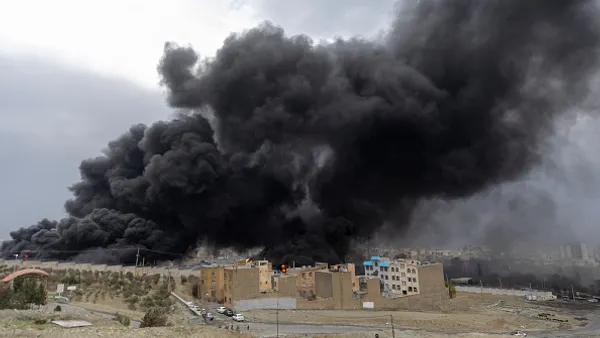
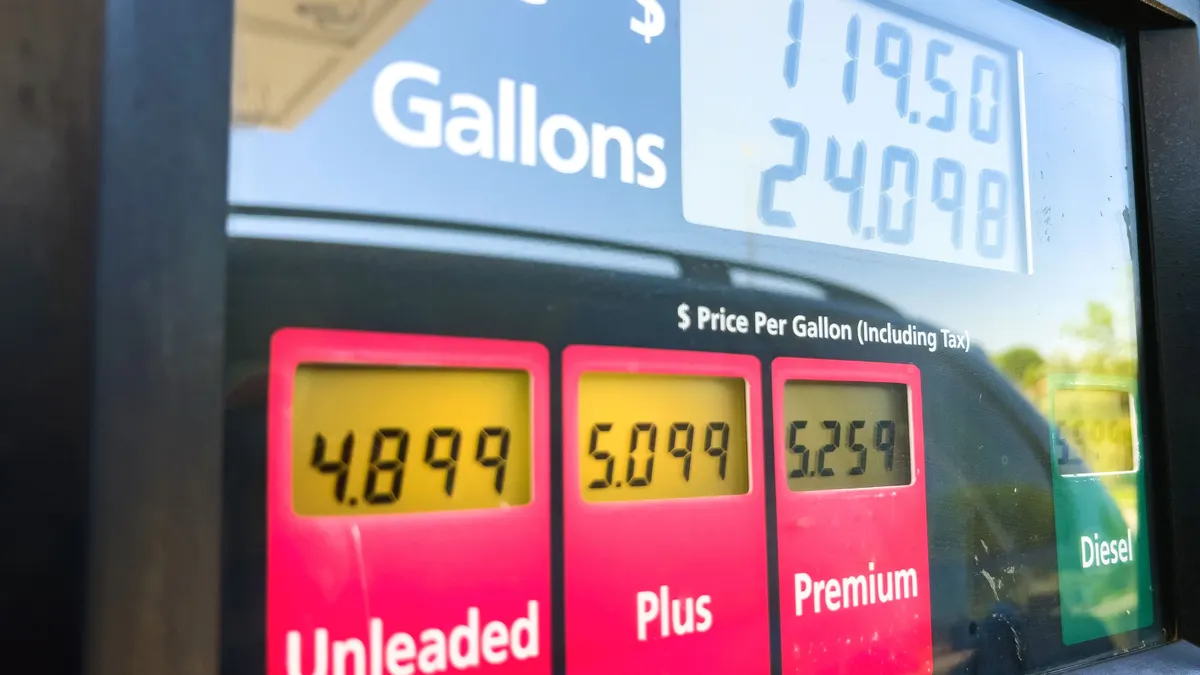
Surging gasoline prices are one of the most visible signs of inflation since U.S. and Israeli warplanes launched strikes against Iran on Feb. 28.
Since February the average prirce for a gallon of regular gasoline has soared from $2.91 to $4.50, an increase of 55%, according to AAA.
Electricity prices rose last month at a 6.1% annual rate, the BLS said, while the price of transportation services increased 4.3%.
The rise in energy costs accounted for more than 40% of the increase in the CPI, BLS said.