Stewart Grierson took the fifth CFO seat of his career this summer, joining Austin, Texas-based AI development company Anaconda.
In addition to his two decades of experience in the data infrastructure sector, Grierson brings to his new post all the experience gained after helping to complete multiple initial public offerings: Like when serving as the CFO of the security management company ArcSight, which went public and then was acquired in 2010 by HP in a $1.5 billion transaction.
Yet Grierson in a recent interview said taking Anaconda or any company public has never been an end goal for him, asserting that it is just one path that any company may take as it evolves and grows.
”We have shareholders who will want liquidity at some point and I think my background gives [Anaconda] the optionality” of either looking at public markets in the futuure or taking other routes, including private equity investments or acquisitions, Grierson told CFO Dive.
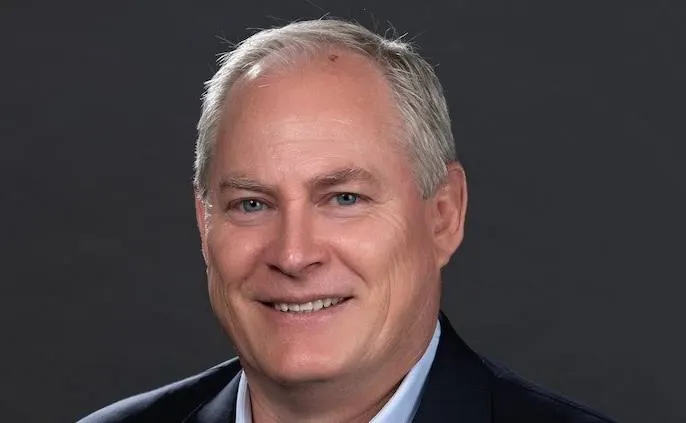
In Anaconda, Grierson joins a company that raised over $150 million in a Series C funding round led by Insight Partners last year. Founded in 2012, Anaconda’s Python distribution platform has about 50 million users and is being used to build AI systems, according to a 2025 release on the fundraising.
In recent months, the company has been on an acquisition spree, announcing three transactions since April including the purchase of Enkrypt AI, an AI security and compliance provider. Ramping up the company, and growing the finance team that is now a lean 14-person group including himself, are among Grierson’s priorities.
“The most challenging thing now is just ramping up candidly,” he said, noting that the company now has over 400 employees and is looking to grow its annual recurring revenue well beyond $150 million. “The market is moving very quickly and Anaconda is very busy integrating those acquisitions and getting products to market.”
It was early in his career, while working at KPMG, that Grierson was involved for the first time with an IPO. The experience helped him realize he was on the “wrong side of the desk,” recalling that the public accountant side worked very hard on the transaction without seeing the financial rewards others got.
Ultimately across his career, he has experienced IPOs as a CFO, controller and an audit committee chair at separate companies.While there’s a lot of mystique around IPOs, he is clear-eyed: “They’re both exhilirating and exhausting all at the same time,” he said. In the end it’s a marketing event and a transition point for a company but he doesn’t think it should be the end-game. Instead, he views going public as a part of the organic evolution of a growing company.
He does have some advice for CFOs taking their companies public. Finance leaders who must clearly articulate the company’s value to potential investors, can’t go it alone; they need to build strong ties with their head of sales and chief revenue officer.
“Forward visibility matters because effectively managing Wall Street’s expectations is critical for success as a public company,” he wrote in an emailed response to questions. “This includes being aligned with your CRO on key leading indicators like pipeline metrics and sales forecasts.”
Yet they also need to have the strength of their convictions and decide whether their company is or isn’t ready to go public. “Don’t be pressured by investors and the board to take advantage of ‘hot markets’ if the company isn’t ready to go public,” Grierson said.