Dive Brief:
- Maryland lawmakers passed accounting licensing reform legislation last week that is poised to add an alternative path to becoming a certified public accountant that doesn’t require 150 hours of college credit, typically five years of post secondary education, according to the Maryland Association of Certified Public Accountants.
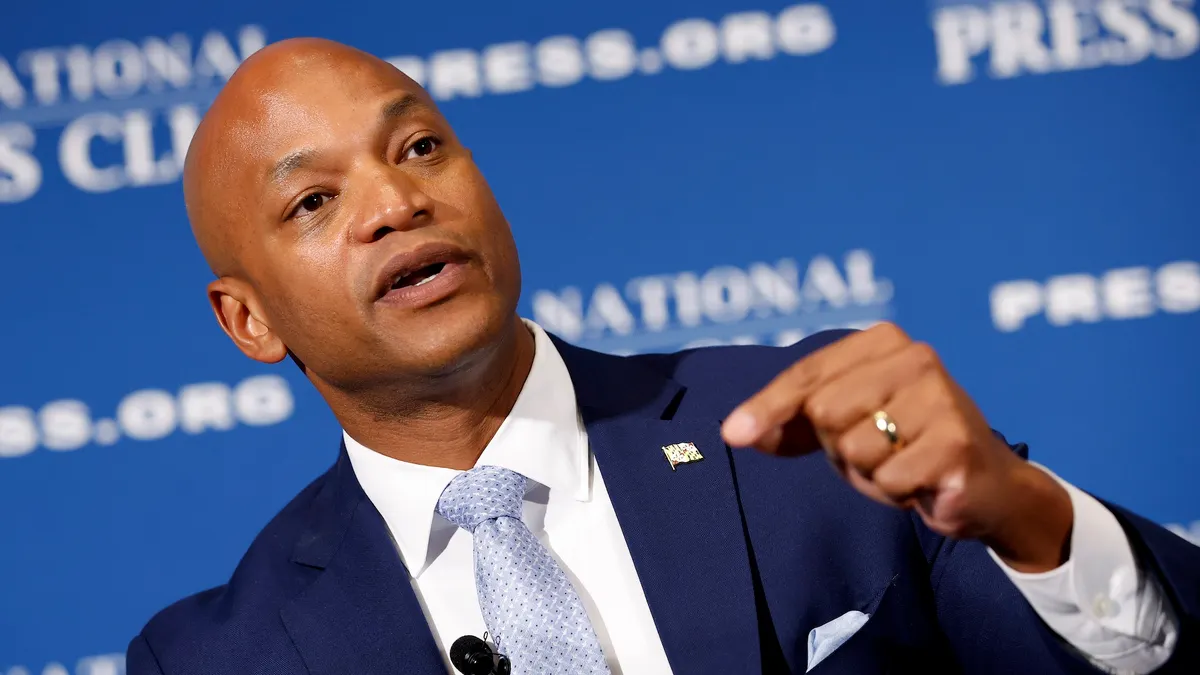
- Like some states, Maryland is maintaining its existing CPA licensing path which requires the completion of 150 college credit hours, one year of relevant professional experience and passing the CPA exam. But under the new bill candidates could substitute more experience for the extra schooling, with the new path requiring a bachelor’s degree, two years of professional experience, and passing the exam. House Bill 643, which must still be signed by Gov. Wes Moore, is poised to go into effect Oct. 1.
- “This is a tremendous victory for Maryland’s CPA profession,” MACPA CEO Rebekah Olson, said in a statement in the release. “This new pathway will open doors for more CPA candidates while helping employers address critical talent needs. It strengthens the pipeline without compromising the rigor and trust that define the CPA credential.”
Dive Insight:
Since early last year about 39 states as well as Puerto Rico have passed laws or put new licensing rules on their books easing educational requirements for getting certified, according to Robert J. Pawlewicz, an assistant professor of accounting at the Robins School of Business at the University of Richmond in Virginia, who has been tracking the nationwide licensing changes.
“We're chugging right along, and I expect more before the summer legislative recess in other states,” Pawlewicz told CFO Dive in an email.
Maryland joins New Hampshire and Colorado among the states that have passed their legislation but the bills are still awaiting their respective governors’ signatures, according to the website of the Minnesota Society of CPAs. Once passed by legislatures, CPA bills have typically been approved by their respective governors but it has sometimes taken months, as was the case in New York..
Despite the national momentum behind the drive, a small number of states’ licensing reform efforts have been slow moving. For example, in Florida last month a licensing reform bill got tied up with an anti-regulatory push to eliminate the Florida Board of Accountancy, according to a March 13 blog post on the Florida Institute of Certified Public Accountants’ website.
In a note to current students and aspiring CPAs on its website, FICPA said it plans to refile its bill in 2027.
“Rest assured, the FICPA will continue to support new pathways and licensure efficiencies, and we look forward to refiling our bill in 2027,” the website states. “We know this year’s outcome is not what we collectively wanted, but we will get there. ”
Keep up with CPA licensure changes by accessing CFO Dive’s tracker on the topic here.