Dive Brief:
- PepsiCo is bracing for increased inflationary pressures amid the U.S.-Israel led conflict with Iran, even as the company leans on hedging and pricing actions to absorb potential headwinds and preserve its full-year earnings outlook, CFO Steve Schmitt said Thursday.
- The CFO addressed the topic during PepsiCo’s first-quarter 2026 earnings call after an analyst asked whether the Iran conflict could affect “cost assumptions” or create pressure points for the company.
- “Our assumption is that inflation will come,” Schmitt said. “The order of magnitude, we're still working through, and I think a lot of that is still to be determined.”
Dive Insight:
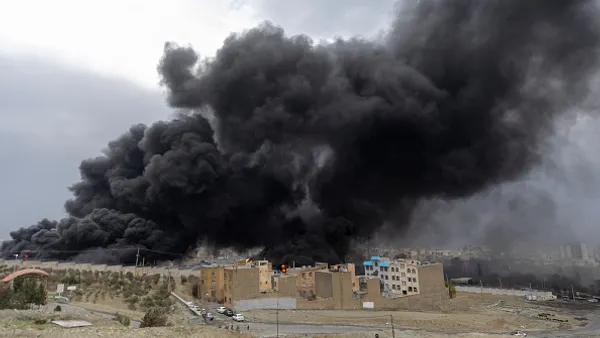
The Middle East conflict has increasingly stoked fears that it could trigger broader economic turbulence if it continues.
The war is fueling “significant disruptions in energy prices, which are already lifting overall inflation,” John Williams, vice chair of the Federal Reserve’s policy-setting committee, said Thursday. However, he said monetary policy is “well positioned to balance the risks to our maximum employment and price stability goals.”
Meanwhile, during an earnings call Thursday, Dan Letter, CEO of real estate investment trust Prologis, said the conflict “has introduced yet another source of economic uncertainty, most directly through higher energy prices and renewed pressure on inflation and interest rates.”
“Seven weeks into this conflict, most [Prologis customers] are actively monitoring the situation and they are telling us 2026 business plans are unchanged,” he said. “The risk today is that uncertainty slows customer decision-making. We have not seen meaningful evidence of that to date.”
John Doyle, president and CEO of risk management firm Marsh McLennan, warned Thursday that a sustained conflict in the region will “create more uncertainty and risk for the world's economy.”
“Broadly Marsh is advising clients on how to build greater resilience in their business planning, we're helping them address supply chain issues, review their cyber exposure and we are advising on investment decisions,” he said.
Schmitt said PepsiCo does not currently see major disruptions in its operations, pointing to the scale of its supply chain and procurement capabilities as key advantages in managing volatility. The company also relies on systemic hedging programs that typically provide six to 12-month visibility into key input costs, he said.
PepsiCo reported first-quarter 2026 net revenue of $19.4 billion, up 8.5% from a year earlier.
Despite the caution on costs, the company reaffirmed its full-year guidance, indicating that its outlook already incorporates its ability to mitigate expected headwinds.