Dive Brief:
- Consumer prices rose 0.4% last month, exceeding forecasts, prolonging a more than five-year period of inflation persisting above the Federal Reserve’s 2% target and increasing the odds that policymakers will raise borrowing costs next month.
- The core Consumer Price Index, which excludes volatile food and energy prices, rose 0.3% for the third straight month, the Labor Department said Tuesday. The fresh inflation data prompted traders in interest rate futures to increase the odds that the Fed will raise the main interest rate at a Dec. 8-9 meeting to 100% from 84% Monday, according to CME Group’s FedWatch tool. They see 11.8% odds of a half-point increase.
- “It remains clear to me, given the current outlook, that the FOMC needs to implement at least two more 25-basis-point rate increases,” Dallas Fed President Lorie Logan said, referring to the Federal Open Market Committee. “The longer above-target inflation persists, the greater the risk that it becomes baked into behavior.”
Dive Insight:
Logan is just one of several Fed officials favoring an increase in the federal funds rate.
Fed Governor Lisa Cook and Cleveland Fed President Beth Hammack dissented from an FOMC decision last month to hold the main rate at a range from 3.75% to 4%. They favored a quarter point increase instead.
Fed Governor Christopher Waller on Tuesday — a few hours before the release of the CPI data — said that policymakers should consider raising the benchmark rate by 0.5 percentage points next month if core CPI in October rose 0.3% or more.
“I am particularly concerned about the breadth of price increases,” Waller said in a speech. “Now, two components with greater relevance to future inflation are elevated — core goods prices and those for core market-based services excluding housing,” he said.
“Hiking only 25 basis points would put our credibility at risk, a risk I am not eager to take,” Waller said, referring to the December FOMC meeting.
Inflation during the past several months has spread across the economy. Shelter prices rose 0.3% in October, accounting for more than 30% of the increase in the CPI, the Labor Department said.
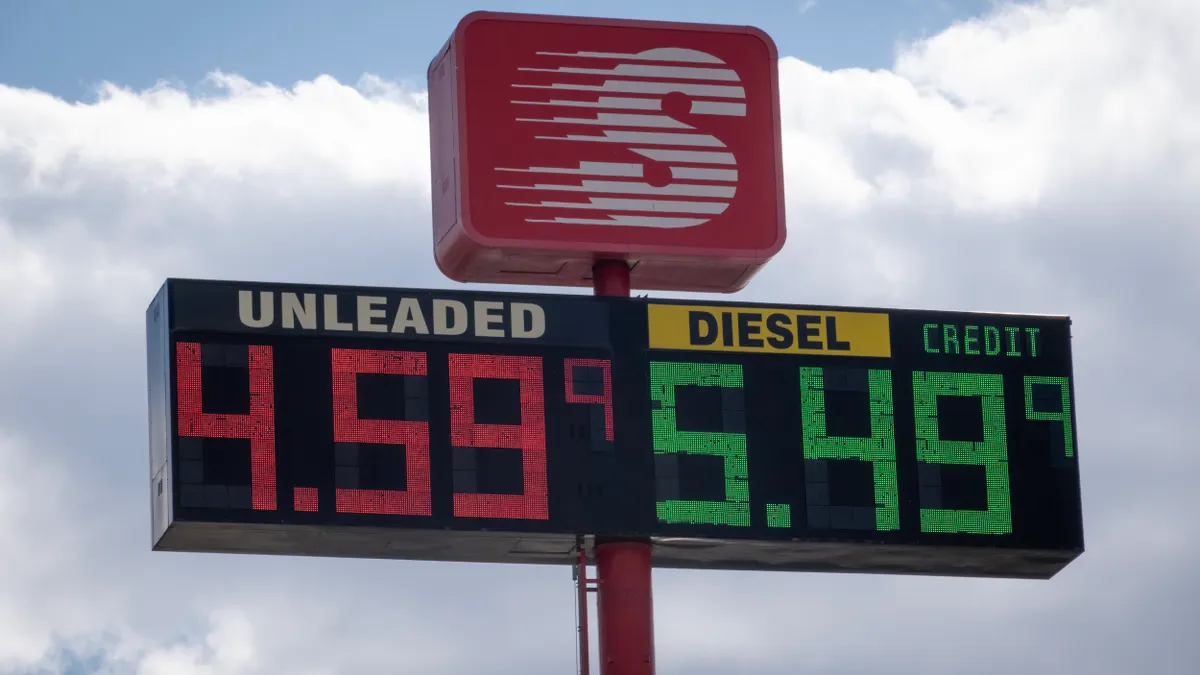
The price of gasoline rose 1% last month, prolonging the price pressure induced by the war with Iran and reduction in crude oil shipments, according to the Labor Department. The price of food at grocery stores and restaurants increased 0.4% and 0.5%, respectively.
Kansas City Fed President Jeffrey Schmid on Tuesday indicated that he believes borrowing costs are too low.
“Inflation is top of mind,” he said at a conference in Houston co-hosted by the Dallas Fed and Kansas City Fed.
"I didn't think our rate was restrictive last year, and I believe that today it's fairly accommodative," Schmid said, according to Seeking Alpha.
The Labor Department on Tuesday did not release 12-month CPI data because the federal government shutdown last year disrupted data collection.