Dive Brief:
- The Public Company Accounting Oversight Board notified 97 audit firms in the U.S. and overseas that it plans to revoke their registrations for failure to remain active in official filings with the board.
- The purge — targeting firms ranging from Shanghai-based BDO China to Istanbul-based Turkmen Bagimsiz Denetim Ve Yeminli Mali Musavirlik — is the board’s first mass removal of registered firms since 2024, when it adopted Rule 2107(h), Constructive Withdrawal Requests. If a firm after 60 days does not inform the PCAOB that it wants to remain active, the board will formally revoke its registration.
- “Maintaining complete and accurate registration records is a basic and essential function of the PCAOB and an important part of our mission to protect investors and the integrity of our capital markets,” PCAOB Chairman Demetrios Logothetis said Friday in a statement.
Dive Insight:
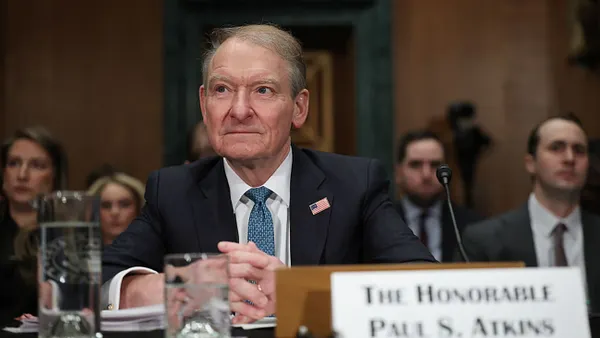
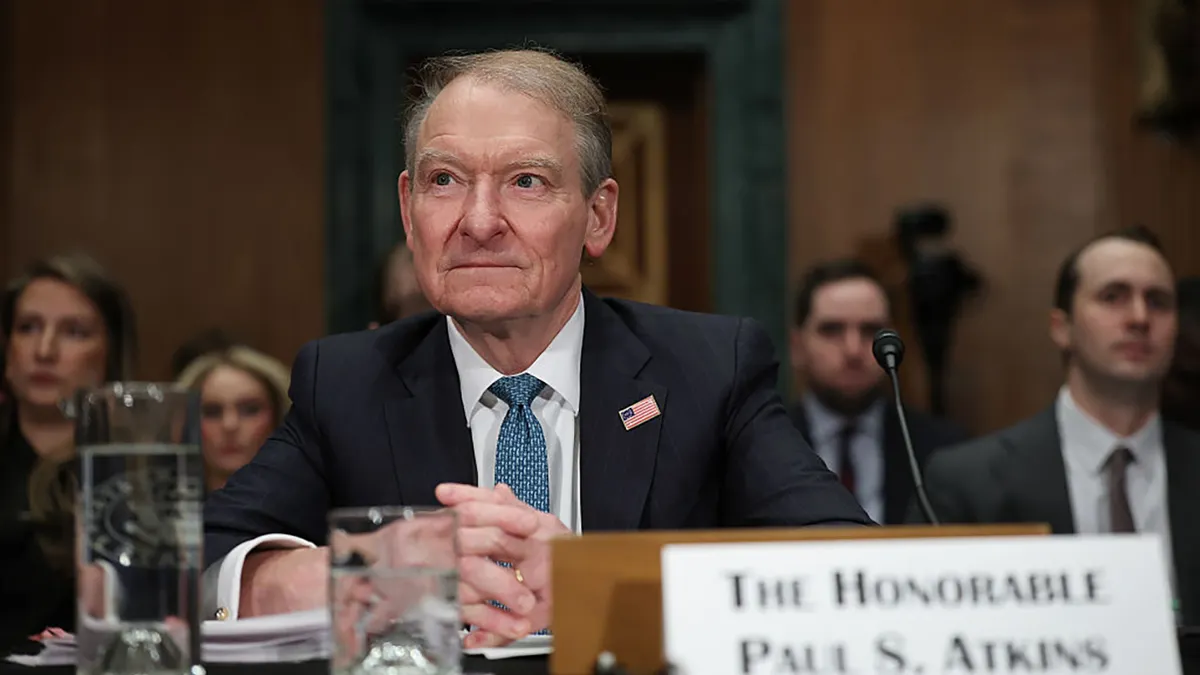
After taking the chairmanship position at the Securities and Exchange Commission in April 2025, Paul Atkins called on the PCAOB to narrow its focus and advanced a leadership change at the board with the departure of Erica Williams as chair in July 2025.
The PCAOB subsequently finalized 37 enforcement actions last year, 27% less than the prior year and the lowest number since 2021. All but six of the actions were completed before the departure of Williams, according to Cornerstone Research.
Although the Republican-controlled Congress in 2025 proposed the elimination of the PCAOB, the SEC sustained the board while trimming its budget for 2026 by 9.4% to $362.1 million.
Atkins in a statement in January flagged the budget cut as an important “initial step in refocusing the PCAOB on its core mission.”
“All regulators, including the commission and the PCAOB, must continually assess how and whether current approaches to fulfilling the board’s responsibilities provide benefits to investors without imposing excessive burdens on businesses,” Atkins said.
The Atkins-endorsed budget cut the salaries of the board chair and other board members by 52% and 42%, respectively.
The PCAOB should get “back to basics: focusing on integrity and objectivity of the profession, reducing unnecessarily complex regulations and re-centering this important institution on its core statutory responsibilities,” Atkins said.
In a similar Atkins-led trend, SEC enforcement actions during fiscal year 2026 fell 57% below the eight-year average beginning in fiscal year 2018, pushed down by factors including low staffing levels and changes in agency procedures, the Brattle Group said.
Insider trading cases during the period registered the highest share of enforcement actions since fiscal year 2018, accounting for 12.3% of 308 actions, the Brattle Group said last month.
Also, the SEC this month approved revisions proposed by the PCAOB softening quality control safeguards for audits in line with endorsements by the Big Four accounting firms.
The amendments to “QC 1000, A Firm’s System of Quality Control,” ease compliance burdens without undermining safeguards for investors, according to the PCAOB, which proposed the amendments in September. In letters to the SEC, KPMG, PwC, Deloitte and EY supported the changes, which will take effect on Dec. 15.
The notice on Friday revoking registration of 97 auditors appeared to be an administrative housecleaning, lacking any indication of enforcement activity.