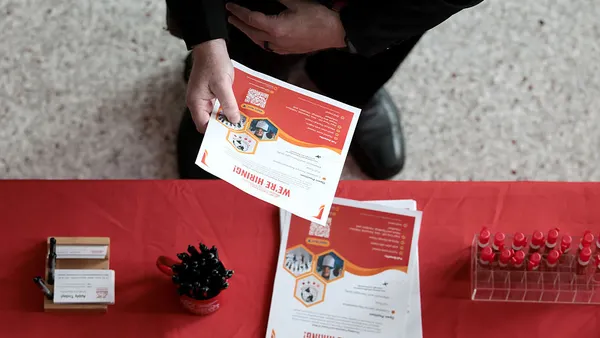
Like all college students graduating in the class of 2026, aspiring accountants are stepping into a fast-changing workforce charged with a high degree of uncertainty.
Artificial intelligence and fears of job obsolescence are looming over accountants, as well as across the global economy. There are fewer entry-level positions as technology transforms finance teams and there are increasing economic threats stemming from the Iran war.
Layered on top of those pressures is a singular change facing graduates on the certified public accountant track: a broad overhaul of CPA licensing requirements is underway. It is aimed at lowering what some see as a costly barrier to getting the CPA — a credential which can pave the way to higher compensation and more senior roles in public accounting as well as CFO seats.
Since early last year, about 43 states have tackled an accounting labor shortage by changing rules or passing laws that either eliminate the requirement that CPAs complete 150 college credit hours — or provide the option of alternative paths that don’t include credits that typically mean a fifth year of college. By substituting an extra year of experience instead, the new certification model being adopted typically requires candidates to complete a bachelor’s or 120 credit hours, two years of professional experience and to pass the CPA exam.
This year’s graduates are joining an industry in the throes of that tumultuous regulatory transition. CFO Dive spoke with six aspiring CPAs about their career paths, and how they think the new CPA pathways are likely to impact young professionals and the accounting industry.
Alexa Keating: A ‘test of will’
Alexa Keating was a junior at the University of Richmond last year when Virginia passed the state’s new CPA education requirements. She vividly remembers her auditing professor starting each class by updating the students about the status of the CPA state legislation.
“He’d say, ‘Is anybody interested in this state?’ and if not he’d move on, and if they were he would cover it,” Keating said in an interview. “It was great.”
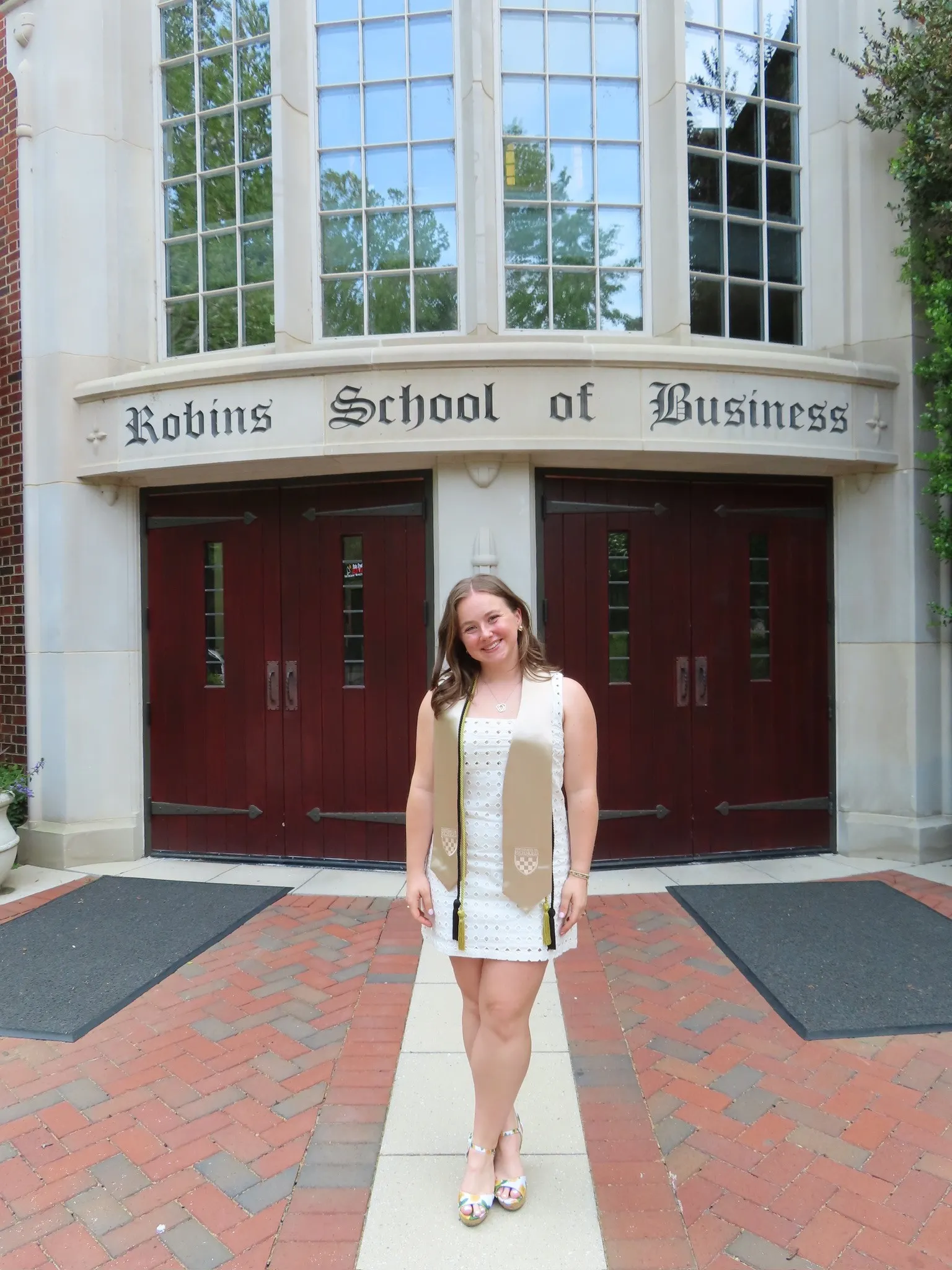
However, the rule change was a little late for Keating. She was already well on her way to completing the plan she drew up with her adviser for a rigorous course load enabling her to earn a bachelor’s degree and obtain all 150 hours of credit needed for the CPA credential in four years. Had the law changed earlier, she might have graduated in three years and used her fourth year to get a master’s. Instead, she stayed the course.
“I just decided to commit to the 150 hours and suck it up,” she said. This month, she earned her bachelor’s in business administration with a concentration in accounting and a Spanish minor. In August, she’ll start working as an assurance associate with the accounting firm of Yount Hyde & Barbour.
She thinks the new licensing rules are for the most part a positive change for the profession, because it will save people money on tuition and help keep the accounting population “steady.” But she isn’t sure if 120 credit hours is enough to prepare people for the CPA exam for which she is now studying.
“I think I would feel uncertain about whether I was adequately prepared if I hadn’t taken the 150 hours,” Keating said. “Part of the 150-hour rule is, ‘do you have the perseverance it takes to get this amount of credit hours and on top of it sit and study for this grueling exam?’ It’s almost like a test of will, are you gritty enough?”
Steven Zuniga: They still ‘want the 150’
As vice president of the accounting club at University of Illinois Chicago, Steven Zuniga has had the chance to meet with accounting firms of all sizes. He has come away noticing that many firms and recruiters aren’t thinking or talking much about the new CPA pathways legislation yet.
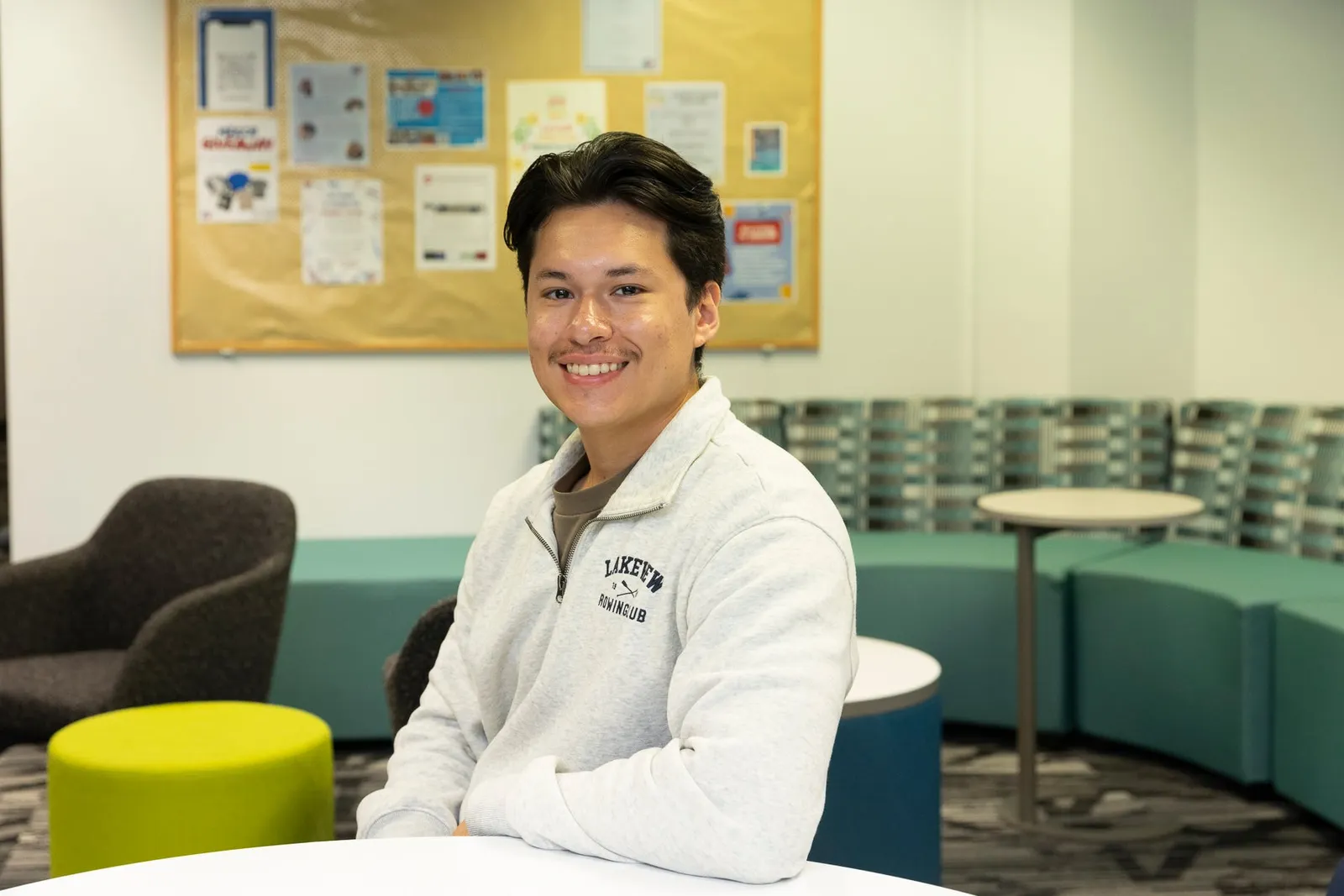
“None of them seem to mention the new rule even though it’s such a big deal,” Zuniga said in an interview. “None of them mention it and when students mention it it’s kind of like, ‘no we want the 150.’ The impression I got is they still want students and candidates to go the 150-credit-hour route since not all states have it.”
That works for Zuniga, who this month graduated magna cum laude with a bachelor’s in accounting and with 150 credit hours. He will start full time in Deloitte’s tax practice in July and hopes to earn his CPA after completing Illinois' requirement of one year of experience in late 2027.
He doesn’t think the firms are hardened against the so-called “bachelor’s plus two” path to a CPA license, but believes firms likely want to watch how it is implemented and what effects it has before making adjustments to their recruiting practices. “People don’t just want to instantly move to a whole new system,” he said.
Zuniga himself sees short-term benefits from the new rules, in that they are already having the desired effect of drawing more students to study accounting, which will ultimately help address labor shortages in the field. But he worries the change could also yield an oversupply of CPAs.
“When you lower barriers to entry for things there's more competition and when there’s more competition some things become less profitable and there’s less opportunity,” Zuniga said. “Long term, it’s going to have some negative effects.”
Matt Landon: The school of work
Matt Landon served in the army before going to UIC, where he is on track to graduate in December with a master’s in accounting. Like Zuniga, he too has mixed views about the long-term impact of the new rules, especially when it comes to its potential dampening effect on salaries.

“There’s maybe a little bit of a concern that if [CPA licensure] becomes a little easier, it could be flooded and there could be less potential opportunities for jobs and also less opportunities for competitive salaries,” Landon said. “But initially, it’s nice to know you don't have to do an additional year of school.”
At the same time, he rejects the idea that the new pathways will produce CPAs that don’t have the same rigor and knowledge base that those who take 150 hours of credits do. The studies needed to pass the exam will make up for anything that the shorter period in college might have missed, he believes.
He’s also a firm believer in the educational benefits that an extra year of professional experience and the intensity of working through accounting’s “busy season” will bring. Indeed, looking back at a recent internship with Grant Thornton he feels like the time working was many times more instructive than coursework.
“That three months was crammed,” he said. “I felt like I had 12 months of education experience.”
Spencer Leventhal: ‘150 gives the flexibility I want’
Spencer Leventhal graduated this month from Hofstra University with a bachelor’s in business administration, majoring in accounting. He’s headed to an internship with Anderson Tax in the commercial group and is also applying to a master’s program, because he wants to make sure he has the hours needed for his license to be easily transferable to the remaining states that still require the 150 hours of credit.
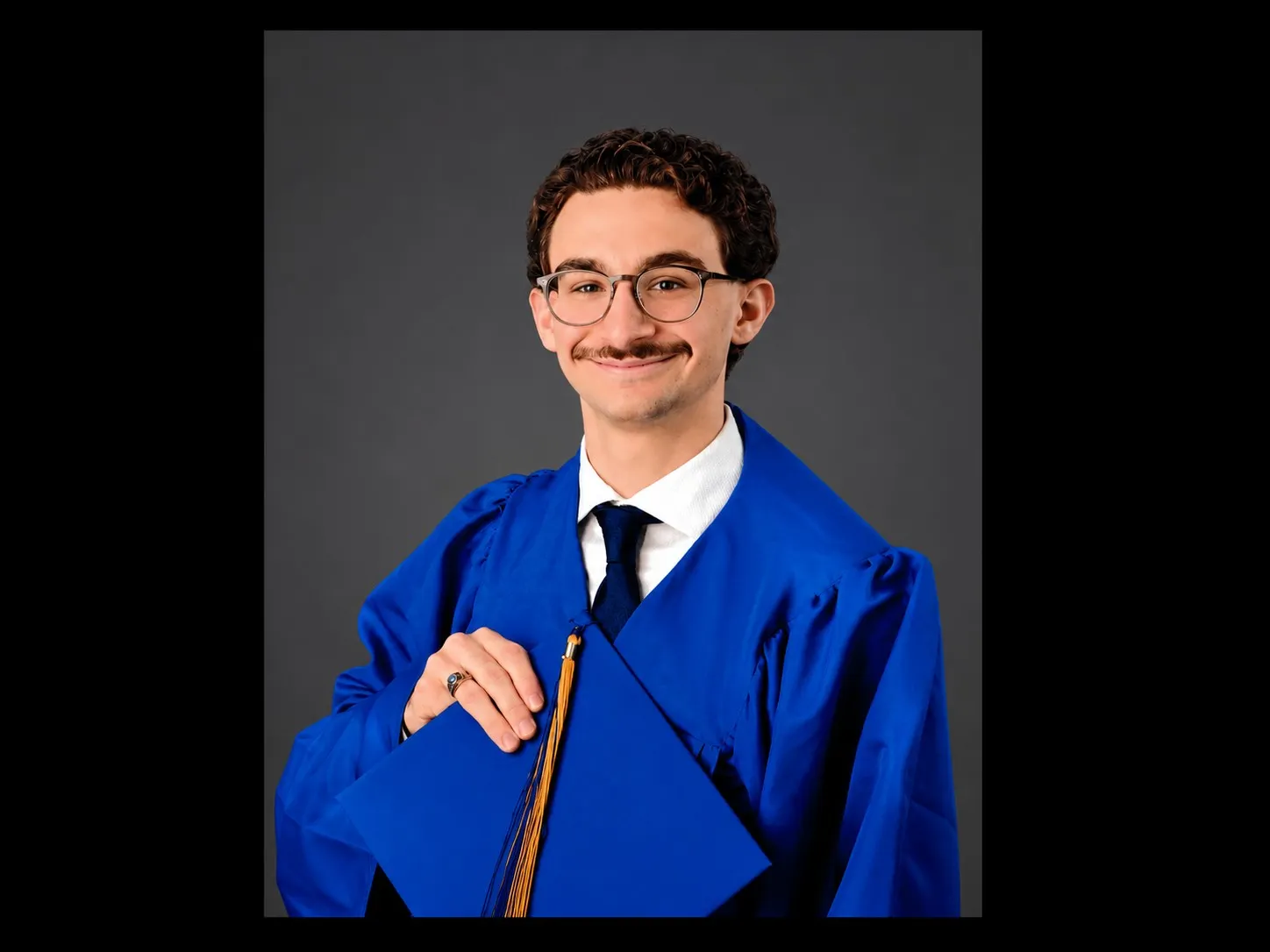
Although New York, where he will be working, has new pathways on the books that don’t require 150 hours, other states like Florida have not yet passed similar pathways. “I do have a desire to maybe move elsewhere and if I want to have my career be as open as possible I feel having the 150 will give me that flexibility that I want,” he said.
Then too, currently many employers offering summer internships typically offer full-time jobs one year out after the internship is completed, which allows for new hires to obtain their master’s and reach the 150-credit hour requirement, he said.
“As long as you’re CPA eligible they’re ok with whatever pathway… it’s just the planning with hiring is now a little tricky because it’s just being implemented,” Leventhal said of the new CPA rules.
Robert Harris: CPA pathways a ‘band-aid fix’
Robert Harris followed in the footsteps of his father, who was also an accountant. Harris graduated with a master’s in accounting from James Madison University this month and will be joining Ernst & Young in October.

He is a skeptic when it comes to the new CPA licensing pathways. Lowering the education requirements, or at least offering an alternative path to do so, is a risky solution to the accounting shortage, which he views as a more complicated problem. He also wonders whether it will lead to a lower level of assurance work.
“I think it’s a short-term band-aid fix,” Harris said in an interview. “I think really what the market needs to respond to is, if we want accountants to get the 150 credits, if we want them to come out qualified for these jobs get the education, the pay needs to reflect that.”
Harris thinks it will take about five years to see how the shift away from the 150 hours of education plays out. He’s also not fearful of AI. Rather, he sees it as an evolving and useful tool while remaining confident that people will still be needed in accounting.
“My dad says this all the time: ‘the money making in accounting isn’t about being able to make the journal entry, it’s being able to make the judgment,’” Harris recalled. “And AI can’t make judgments like people can. It’s a hard thing to train any code to do.”
Brendan Trainer: AI trumps pathways
Brendan Trainer graduated with a master’s in accounting from James Madison University this month and will start at PricewaterhouseCoopers full-time in August. He also completed and passed the last section of the CPA exam in January.
He too was already locked into his CPA path by the time the rules changed in Virginia, and is largely supportive of the new rules. However, he believes a master’s in accounting is good preparation for the exam and ultimately for working in accounting jobs after the test.
His main concerns regarding the preparedness of students for the accounting industry are around AI rather than the CPA pathways. As a graduate student, he assisted professors grading papers and began to see students shortchanging their education: Not by taking the shorter path to CPA but by using AI to cheat on assignments rather than learning for themselves.
At the same time, when AI is used properly Trainer sees a place for it as a tool he needs to learn to use.
“The best thing I can do as a student is just learn how to use it and kind of make myself more valuable than my neighbor,” Trainer said, adding the same driver is pushing him to get his CPA credential quickly. In the future, he’s betting the CPA will “still be a mark of not only accounting ability but also the fact that you can knuckle down and study when necessary.”
Editor's note: This story was updated to correct the number of states that have passed CPA pathways legislation or changed their licensing rules.