Nvidia's longtime finance chief Colette Kress faces her first major test as interim CEO on Tuesday, when the chipmaker reports its third-quarter earnings results amid a leadership crisis and questions about its compliance with U.S. export controls.
The earnings call, scheduled for after the stock market closes, will give investors their first major opportunity to hear from Kress since she took over as interim CEO, with her comments expected to offer clues about how she plans to lead the company through the turmoil.
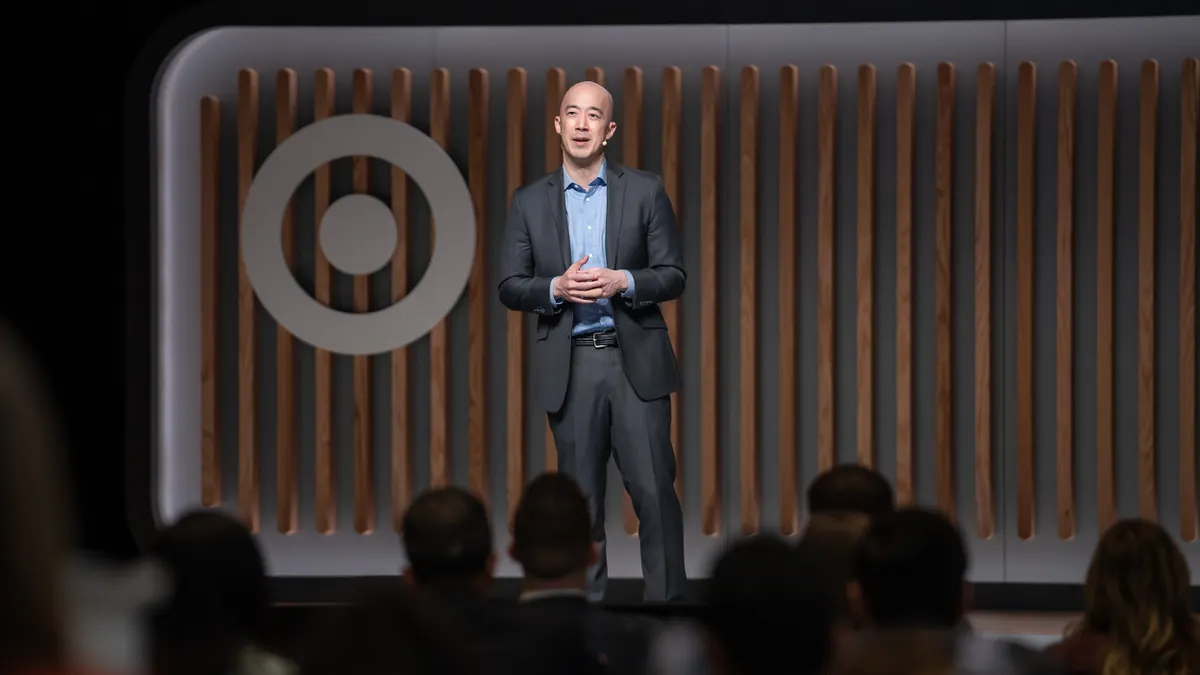
“Every move she makes will be scrutinized,” said Shawn Cole, president of executive search firm Cowen Partners. Her command of the business, mastery of the issues and ability to project confidence and authority will be critical to her success, he said.
Jensen Huang resigned last week from his role as Nvidia CEO following revelations of an extramarital affair with a Chinese businesswoman suspected by U.S. authorities of spying for Beijing.
Nvidia named Kress interim CEO while the board searches for a permanent replacement. She will also continue serving as CFO in the meantime.

Huang co-founded Nvidia in 1993 and spent more than 30 years building it into a technology powerhouse, first through its graphics processors and later through chips that became central to the artificial intelligence boom.
His exit leaves Nvidia without the leader whose technical vision and relationships across the technology industry helped shape its rise to dominance.
In the wake of the change, Morningstar cut its fair value estimate for Nvidia shares by nearly 20% to $250 from $310, citing uncertainty about the company's long-term product roadmap, business partnerships and ability to retain talent.
“It is unclear to us whether a new CEO can adeptly manage new product initiatives as well as Huang, or whether any partnerships will fizzle under new leadership,” Morningstar senior equity analyst Brian Colello said in a note last week.
Morningstar also pointed to a report from The Information quoting an unidentified “executive at a cloud provider” as saying that company will consider using chips from Google or Advanced Micro Devices, highlighting the risk that customers could diversify away from Nvidia under new leadership.
In a Nov. 12 report JPMorgan credit analysts led by Erica Spear said Huang's departure could complicate financing for AI infrastructure projects involving Nvidia as a supplier, investor or source of financial support. Lenders may take longer to assess such arrangements, potentially increasing costs.
Large technology companies are unlikely to change near-term plans solely because of Huang's departure, the analysts said, but smaller companies and projects that depend on outside capital could face greater challenges.
Regulatory scrutiny
The leadership transition comes as Nvidia also faces scrutiny over reports of potentially illicit sales of advanced AI chips to China.
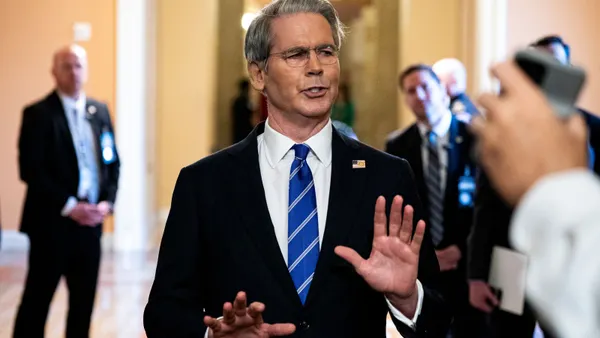
U.S. Treasury Secretary Scott Bessent on Sunday called for a “dramatic shake-up” at Nvidia and urged its board to bring in an outside CEO. He raised concerns about news reports of Nvidia chips being diverted to China through shell companies in possible violation of U.S. export restrictions. He questioned whether the potentially illicit sales were used to “goose” Nvidia's revenue and earnings.
Kress's deep familiarity with Nvidia's financial operations could prove an advantage as she navigates the turmoil, but her longstanding role as CFO could also expose her to difficult questions, according to Brian Mulberry, chief market strategist at Zacks Investment Management.
“If there were questionable practices then why didn’t she raise concerns before?” Mulberry said, adding that Kress should be ready to address the matter head-on.
Who will lead Nvidia next?
Kress's prospects of becoming Nvidia's permanent CEO remain uncertain, with questions about her potential exposure to the company's legal and regulatory challenges complicating her candidacy.
“I'm increasingly concerned about her exposure to the scandal,” Cole said.
Mulberry offered a more optimistic assessment, saying Kress could strengthen her candidacy if she addresses difficult questions confidently and reassures investors that Nvidia's supply chains and operations remain intact.
Kress joined Nvidia in September 2013 after nearly 25 years in finance roles at major technology companies. She spent 13 years at Microsoft, including four as CFO of its server and tools division, and three years as senior vice president and CFO of Cisco's business technology and operations finance organization. She received $14.3 million in total compensation in fiscal 2026, according to an Nvidia regulatory filing.
TD Cowen analysts described Kress as a logical interim choice given her experience with investors. A permanent successor, however, will need a strong technical background to maintain Nvidia's pace of innovation and product development, they said.
The Financial Times reported that Nvidia approached Arm CEO Rene Haas about the role. Haas spent seven years at Nvidia before joining Arm in 2013 and becoming its CEO in 2022.
Nvidia executive Ian Buck, who leads the company’s hyperscale and high-performance computing business and helped develop its CUDA software platform, has also been identified by analysts and investors as a possible internal candidate, Reuters reported.
Meanwhile, a campaign to reinstate Huang has drawn support from prominent technology executives, shareholders and thousands of people identifying themselves as Nvidia employees.
The Financial Times reported Sunday that Huang had discussed a possible return with confidants and that allies were organizing efforts to lobby Nvidia's board and the White House.
But Nvidia's board is not considering reinstating Huang as CEO, three people familiar with the matter told Reuters on Monday, despite a petition with more than 180,000 signatures and public expressions of support from technology executives and President Donald Trump.
The situation unfolding at Nvidia shows the risks of building a company too heavily around one executive, according to Cole. He said a strong succession plan should ensure the business can maintain its direction and performance even when its longtime leader is no longer at the helm.
“Succession planning isn't a threat to the CEO,” he said. “It's one of the board's most important responsibilities.”
Nvidia did not immediately respond to a request for comment.