Universities and non-profits have navigated an uncertain landscape under the Trump administration when it comes to their ability to recoup the costs they incur to run projects funded by federal grants.
Proposed changes that would cap the amount institutions and organizations are able to get back when working on federally-funded grants and contracts have stalled, experts said during a panel at a recent AICPA & CIMA conference focusing on hot accounting issues in the non-profit and government finance professions.
Additionally, rate negotiations with federal agencies have slowed, and institutions should be prepared for additional policy changes, said Kelly Rancourt,a CPA in the audit and assurance practice at the accounting firm of Clark Nuber in Bellevue, Washington.
Indirect expenses are costs to an organization that cannot be readily assigned to a particular project, but are needed for both its operations and performance.
For facilities and administrative costs, that can include general and administrative salaries, wages, and benefits, facility occupancy costs, depreciation and legal and auditing charges, said Tonya Moffitt, a CPA and managing partner at Merina+Co, a Portland, Oregon-based accounting firm.
An indirect cost rate is the rate an organization would be reimbursed for those expenses, Moffitt said.
Organizations can recover a high amount of indirect costs through negotiated rates with a federal agency, said Rancourt. But the rate that can be recovered is based on actual costs — requiring a lot of effort and extensive documentation and is best suited for entities with significant administrative infrastructure, she said.
Smaller entities and accounting teams can recover indirect costs through a de minimis rate, which often comes with lower recovery potential, but requires less effort and minimal documentation, she said.
The Office of Management and Budget, in its 2024 uniform guidance revisions, raised the de minimis indirect costs rate from 10% to a maximum 15% of modified total direct costs.
Uncertain cost reimbursement landscape
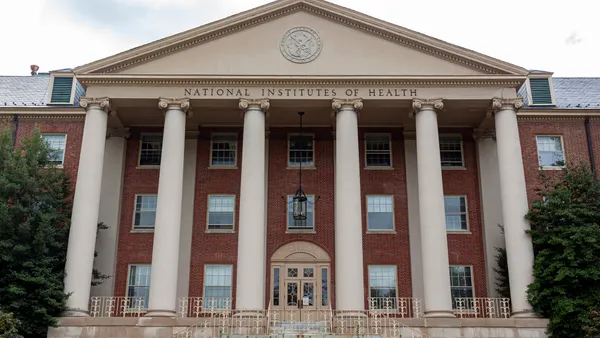
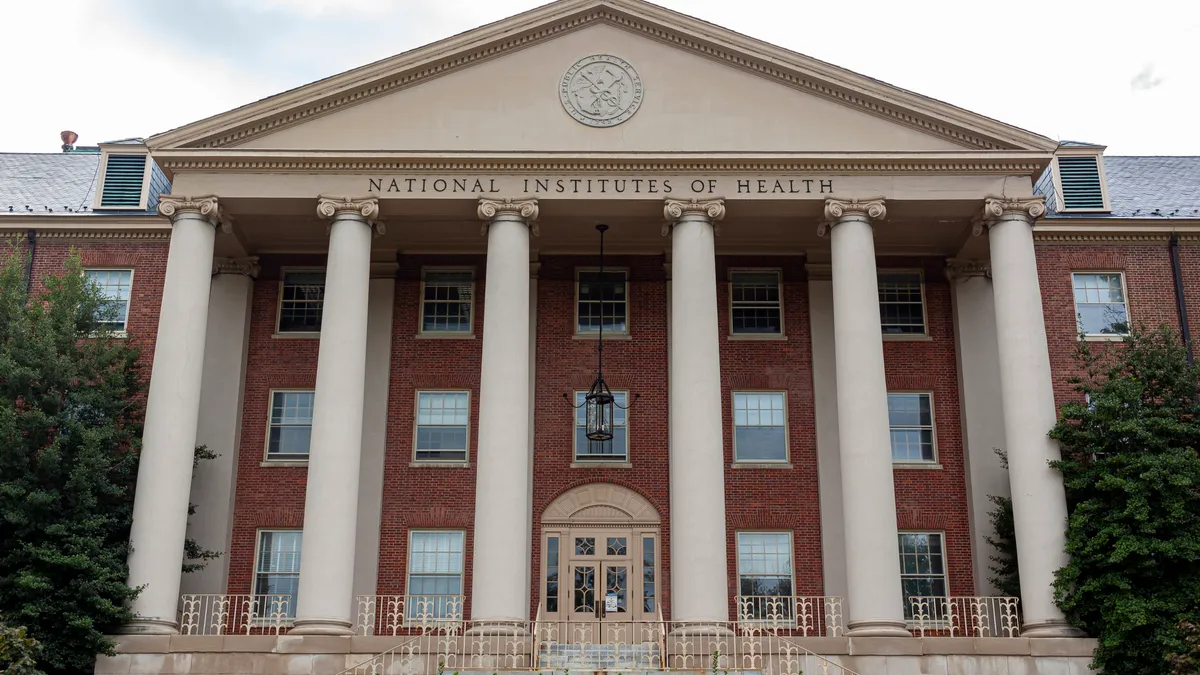
Under the Trump administration, four federal agencies have tried to cap reimbursement for higher education institution’s indirect research costs at 15%, CFO Dive’s sister publication Higher Ed Dive reported. That includes the National Institutes of Health, the U.S. Department of Energy, the National Science Foundation and the U.S. Department of Defense.
Such a policy would financially hamper research universities that sometimes have indirect cost rates above 50%. But the policies have been successfully challenged in court or rescinded after Congress blocked agencies from applying or developing indirect cost rate caps in an appropriations bill earlier this year.
“We’ve kind of seen that die down,” said Rancourt.
A number of higher ed institutions are still struggling to get their rates negotiated as HHS reduced their workforce and closed some offices — leaving it with less people available to conduct the work, said Rancourt.
The U.S. Department of Interior Business Center, which started negotiating for several agencies, is also experiencing delays, she said.
“It’s taking six months or longer to get something negotiated,” said Rancourt. “That always introduces risk from an audit perspective as well, if you don’t have an actively negotiated rate at the time.”
In January, NIH also changed its rules around salary cap limits on awards, preventing research organizations from drawing down funds above the limit for both direct or indirect funds. Previously, in practice, the salary rate limits only typically applied to direct costs, said Rancourt.
For example, organizations that receive NIH awards under the policy can still pay employees considered Executive Level II employees more than the cap of $228,000, but it won’t be funded by the agency, she explained.
“We saw a lot of organizations having to reevaluate their indirect costs pool for this salary cap,” said Rancourt.
The U.S. Office of Budget Management also proposed revisions to its uniform guidance in May that would change the way federal grants are awarded. Under the policy, political appointees would need to approve awards to ensure they align with the administration’s priorities.
To Rancourt’s surprise, however, the uniform guidance did not include any changes to indirect costs. The issuance date for the policy was pushed back from October 1 to at least December 11 after a continuing resolution was signed into law in September.
“That does not mean that they’re not going to change things later,” Rancourt said. “This is something that we’re continuing to watch, but, for now, it seems like things have quieted down a bit.”
Navigating the changing policy environment
Organizations that receive grants should monitor policy change notices or policy guide updates issued by the federal agencies they work with, as well as legal developments that emerge, said Rancourt.
They should also read the terms and conditions closely to ensure they understand what the grant agreement says, and retain any documentation or correspondence from the grantor by putting them into files, Rancourt added.
“You’ve got to make sure you have that documentation, it needs to be in the file so that somebody can follow what you did or what your clients did so we can audit that as auditors,” Moffitt added.
Award recipients should also conduct planning and risk management that assess what it would look like in the event caps on indirect cost rates were implemented, and how they could adjust their approach, Rancourt said.
“Going through that worst-case scenario planning for your organization is always a good exercise,” she said.